







Search Results for: Espresso Temperature
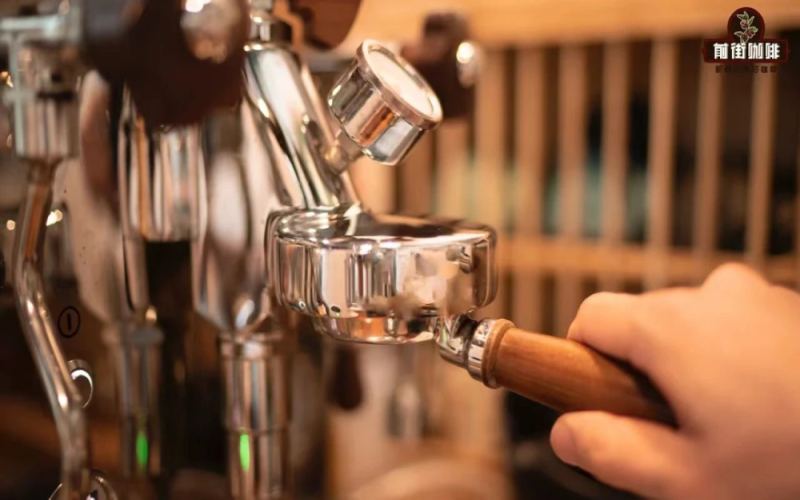
Espresso Extraction | What Is the Ideal Water Temperature Setting for an Espresso Machine? Does Water Temperature Affect Espresso Extraction?
For more specialty coffee knowledge, please follow: Front Street Coffee (Frontsteet Coffee). In the past, when Front Street shared knowledge about espresso extraction, it focused on parameters such as grind size, dose, ratio, extraction time, and pressure, and also provided in-depth analysis of steps like receiving the grounds, distributing the grounds, and tamping. [more…]
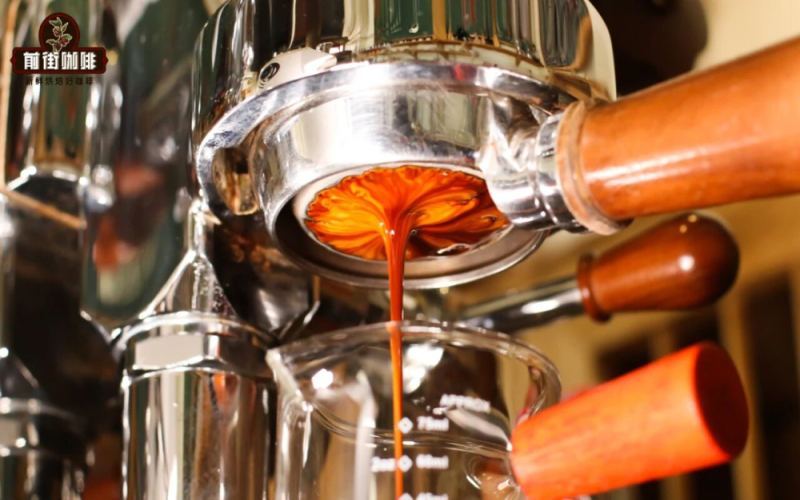
How Does Extraction Water Temperature Influence Espresso Flavor? Analyzing the Ideal Espresso Temperature from Flow Rate Changes to Dose Differences
Many coffee enthusiasts, when discussing espresso extraction, tend to focus on grind size, dose, ratio, and pressure, yet overlook an equally critical variable—water temperature. In fact, water temperature not only influences the direction of coffee flavor but also alters extraction flow rate, and there can even be a temperature difference between the boiler temperature and the water temperature that actually contacts the coffee grounds. This article, from the perspective of Front Street Coffee, systematically examines the mechanism by which water temperature affects espresso extraction, analyzes the pros and cons of high and low temperatures, and, drawing on the hypothetical experiments in Rao's "The Extraction Science of Espresso," explains how to choose appropriate water temperature settings under different dose ratios. [more…]
How Water Temperature Shapes Espresso Flavor, Flow Rate, and Extraction
In espresso extraction, grind size, dose, ratio, time, and pressure are often the focus of discussion, while water temperature is frequently overlooked. In fact, water temperature also has a decisive impact on aroma, flavor, and strength. This article will, from the perspective of Front Street, discuss the setting range of boiler water temperature, the effect of water temperature on flow rate, the difference between boiler temperature and extraction temperature, and why the higher the dose, the higher the preset water temperature needs to be. At the same time, combined with the views in Rao's "Espresso Extraction Science," it gives temperature recommendations for daily extraction and recommends Front Street Classic Espresso Blend coffee beans suitable for a rich, full-bodied taste. [more…]
How Should Espresso Extraction Water Temperature Be Set? A Full Analysis from Machine Settings to Actual Extraction Temperature
When extracting espresso, parameters like grind size, dose, ratio, time, and pressure are often discussed repeatedly, but water temperature is often overlooked. In fact, water temperature has a decisive influence on the flavor direction of espresso—too high brings burnt bitterness and woody notes, while too low makes the coffee sour and astringent with thin crema. Starting from Front Street's practice, this article systematically sorts out the reasonable range for coffee machine water temperature, how water temperature affects flow rate, the difference between boiler temperature and actual extraction temperature, and how to set water temperature under different dose ratios, helping you find that delicious temperature point in your daily shots. [more…]
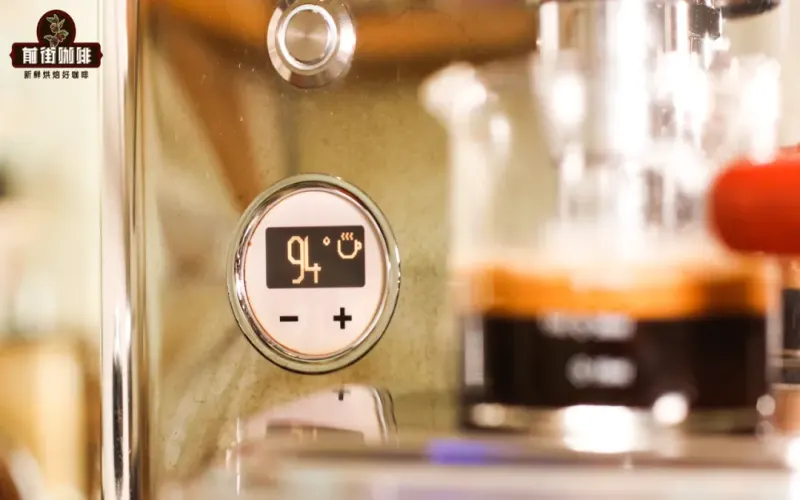
What Temperature Should You Set for Espresso Extraction? Analyzing the Impact of Water Temperature on Flow Rate, Crema, and Flavor
When pulling espresso, what temperature should the water actually be set to? Starting from Front Street's hands-on experience, this article systematically sorts out the specific effects of water temperature on extraction efficiency, the flow rate of the coffee liquid, and the richness of the crema, and combines the differences in dose and ratio between espresso and Americano to explain why the preferred water temperature ranges for the two are not the same. The article also introduces a practical approach: fix the water temperature within a reasonable range, and instead adapt by adjusting the grind and liquid weight, so as to quickly and stably extract a delicious espresso. In addition, the article also gives specific explanations on the deviation between boiler water temperature and actual extraction water temperature, as well as how to respond when the interval between extractions is too long. [more…]
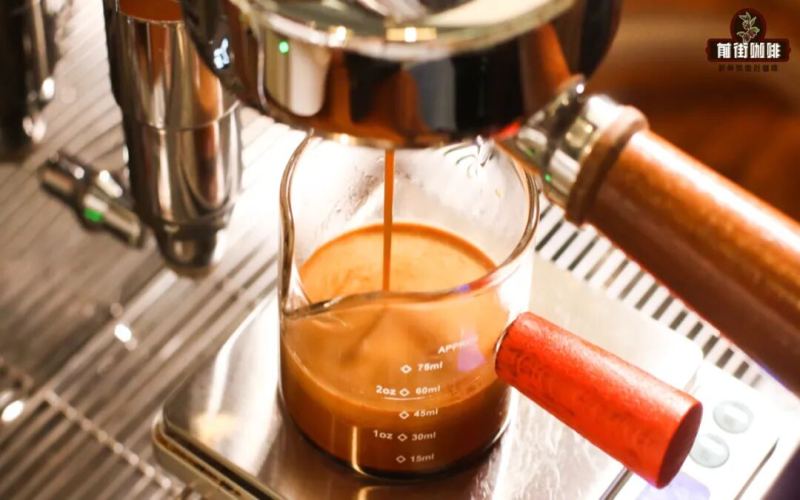
Coffee Water Temperature | What Does Your Coffee Machine's Water Temperature Affect? What Water Temperature Should Be Used to Brew a Delicious Espresso?
Previously, when Front Street shared knowledge related to espresso extraction, it would focus on the effects of parameters such as dose, ratio, grind, time, and pressure on extraction. In addition, it also emphasized analyzing the key operational points in steps such as receiving the grounds, distributing the grounds, tamping, and locking the portafilter into place. Only water temperature was something Front Street always [more…]
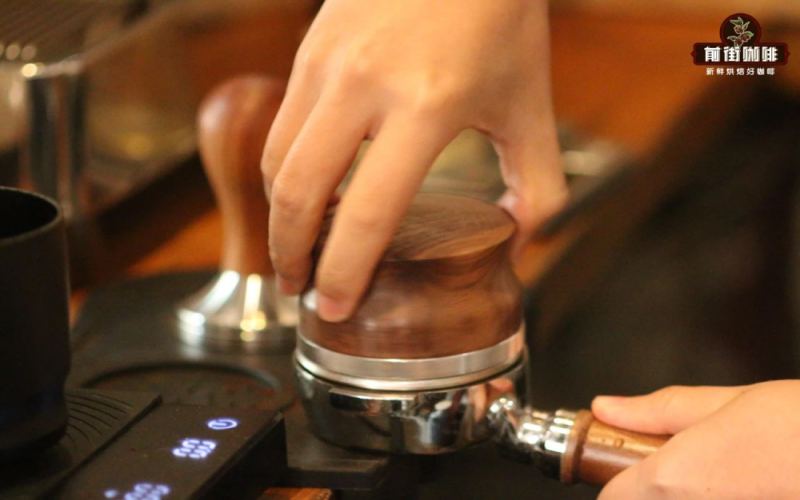
Espresso Brewing Basics | How Can Coffee Beginners Make Espresso? What Are the Steps in the Standard Espresso Brewing Process?
As public demand for coffee grows, more and more coffee enthusiasts are buying related coffee equipment. In the third wave of specialty coffee, online sales of pour-over coffee equipment have been steadily rising, and it is also becoming increasingly common for coffee lovers to keep an espresso machine at home. However, [more…]
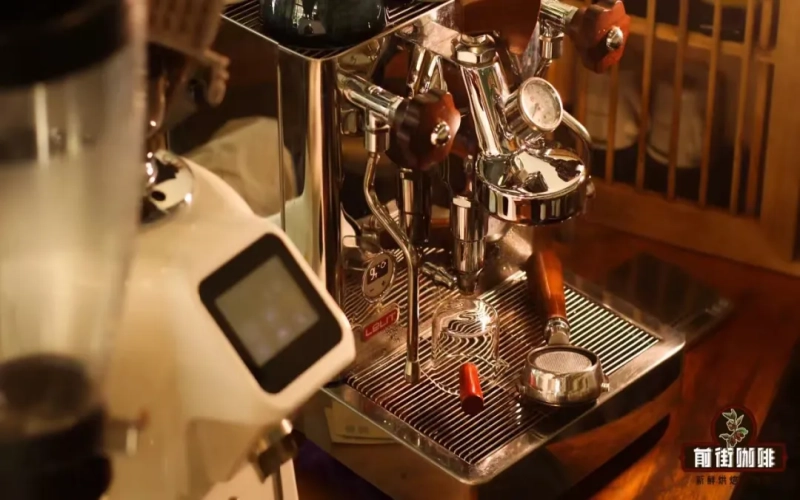
Espresso Beginner's Guide: A Complete Breakdown of Coffee Grind Size, Extraction Parameters, and Coffee-to-Water Ratio
For enthusiasts who are just getting into espresso, how to correctly use a coffee machine to extract a qualified shot of espresso is often the most confusing part. From the choice of coffee beans and the type of grinder, to the adjustment of grind size, the techniques of distributing and tamping the grounds, and then to the control of the coffee-to-water ratio, extraction pressure, and temperature—every variable directly affects the flavor in the final cup. Based on the practical experience of Front Street Coffee, this article systematically sorts out the complete knowledge framework of espresso extraction, helping beginners establish clear parameter concepts, while also sharing Front Street Coffee's specific latte recipe and milk frothing techniques, making home espresso preparation more methodical. [more…]
Are Espresso and Espresso the Same Thing? Analyzing the Golden Cup Extraction Standard and Parameter Adjustment
Many coffee enthusiasts often confuse the concepts of espresso and concentrated coffee, and are also full of questions about extraction parameters. Starting from the Golden Cup extraction standard, this article will sort out the evolution of the definition of espresso and analyze the effects of factors such as dose, water temperature, time, pressure, and grind size on flavor. At the same time, drawing on the hands-on experience of Front Street Coffee, it will introduce the unique vinous aroma performance of the Sunflower Warm Sun blend and share the proper way to taste espresso, helping readers understand the extraction logic of espresso more systematically. [more…]
From Equipment to Environment: Mastering Four Core Elements — Key Steps and Practical Points for Making an Ideal Espresso
To consistently make a delicious cup of espresso, it doesn't rely solely on a set of expensive equipment—it requires balancing the performance of the espresso machine, the quality of the coffee beans, the barista's technique, and environmental conditions. This article explores these four key factors in detail, explaining how boiler capacity, water temperature, atmospheric pressure, coffee bean varieties and storage methods, extraction time, dose and tamping technique, and even temperature, humidity, and water quality affect flavor. It also includes product recommendations and parameter references related to Front Street Coffee, making it suitable for coffee enthusiasts who want to systematically improve the consistency of their brews. [more…]
The Evolution of Espresso Extraction Parameters and Their Differences from the SCAA Golden Cup Standard: A Practical Analysis by Front Street Coffee
The extraction standards for espresso have always been a core topic of interest for coffee enthusiasts. The SCAA once defined it as 9-10 atmospheres of pressure, 7-9 grams of coffee grounds, water temperature of 88-92°C, and extraction of 45ml in 22-28 seconds, but today the actual operating parameters of specialty coffee shops have clearly diverged from this. Starting from the practical experience of Front Street Coffee, this article reviews the evolution of espresso extraction parameters along with roasting trends and equipment technology, analyzes the influence of the five major variables—dose, water temperature, time, pressure, and grind size—and introduces the flavor performance of Front Street Sunflower Warm Sun blend beans as well as the correct way to taste espresso. [more…]
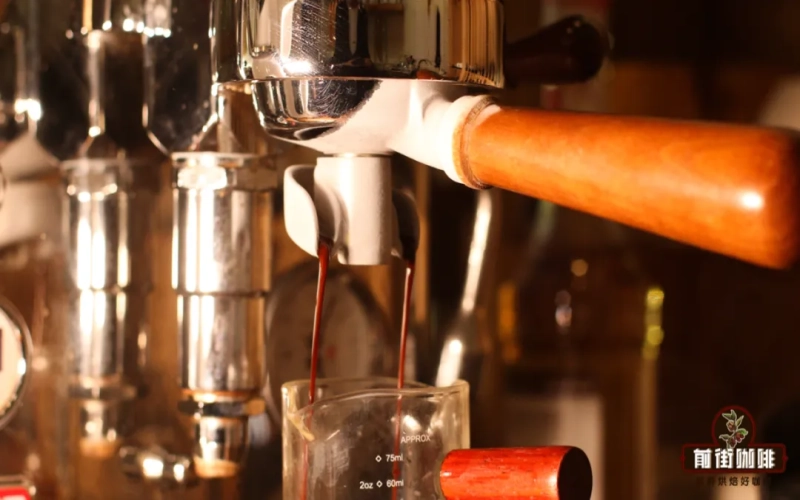
The Impact of Portafilter Temperature on Espresso Extraction: Starting from the WBC Champion's Frozen Portafilter Experiment
At the 2016 WBC, Taiwanese competitor Berg Wu won the championship with a frozen portafilter extracting espresso, overturning the perceptions of the judges and audience at the time. Can portafilter temperature really influence the flavor of an espresso? Through extraction experiments comparing high-temperature, room-temperature, and frozen portafilters, Front Street Coffee found that the three indeed show clear differences, and the effect brought by the frozen portafilter is especially far removed from the other two. This article will analyze in detail the principles behind how portafilter temperature affects espresso, and share Front Street Coffee's actual test conclusions, helping you reunderstand this easily overlooked extraction variable. [more…]
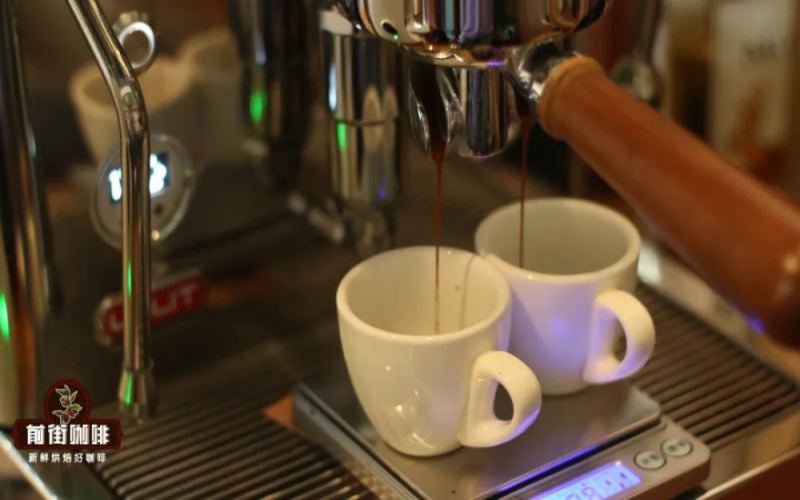
How should the portafilter temperature be controlled when extracting espresso? A hands-on test of the flavor differences among three states: room temperature, preheated, and high temperature.
When extracting espresso, should the portafilter be left at room temperature or locked onto the group head to keep it warm? Different baristas have different opinions on this. Some worry that the high temperature of the group head will overheat the filter basket and accelerate the loss of coffee grounds' aroma; others believe that keeping it warm is the only way to maintain a consistent portafilter temperature. Front Street Coffee specially designed three sets of controlled experiments for this purpose, using a room-temperature portafilter, a preheated portafilter, and a long-time high-temperature portafilter to extract the same "Sunflower Warm Sun Blend Coffee Beans," comparing aroma, acidity, sweetness, and aftertaste one by one to see exactly what kind of taste changes temperature differences bring, and which method is more worth recommending in daily operation. [more…]

Which is more outstanding: iced, hot, or room-temperature Americano? What water temperature is suitable for controlling hot Americano?
It's the same espresso diluted with water, so why do iced, hot, and room-temperature Americanos taste so different? This article starts with the origins of the Americano, traces how Italian-style cafés brought this drink to prominence, and uses a comparative experiment—making iced-water, room-temperature-water, and 88°C-hot-water versions of the Americano with Front Street Coffee's classic espresso blend—to break down the differences one by one across three dimensions: aroma, flavor, and mouthfeel. The article also provides specific methods for making all three types of Americano, the ratio of espresso to water, and the reason hot Americanos shouldn't use water that's too hot, helping coffee lovers choose based on the taste they want at the moment. [more…]
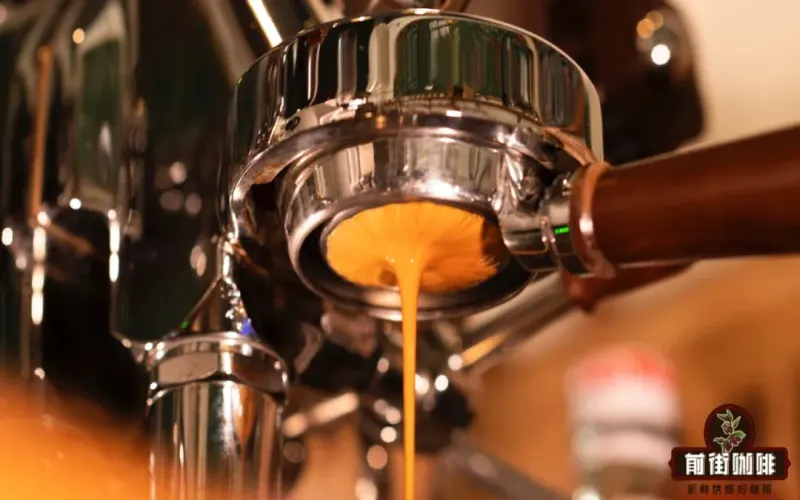
Uncovering the Hidden Factors Behind Unstable Espresso Extraction: How Residual Grounds, Water Temperature, Pressure, Environment, and Chamber Pressure Affect the Flow
Many coffee enthusiasts will notice that with the same beans and the same machine, the flow rate of espresso can change every few hours or even every few dozen minutes, sometimes fast and sometimes slow. Beyond the aging characteristics of the coffee beans themselves, there are actually quite a few easily overlooked hidden factors influencing the extraction results, including residual grounds in the grinder's chute, temperature fluctuations in the espresso machine's hot water, the state of the pump pressure, changes in ambient temperature, humidity and air pressure, and whether the grinder's hopper pressure remains stable in a café setting. Front Street will analyze these factors' mechanisms of influence on espresso extraction one by one, and provide corresponding improvement solutions to help everyone reduce unnecessary adjustments and make their output more consistent. [more…]
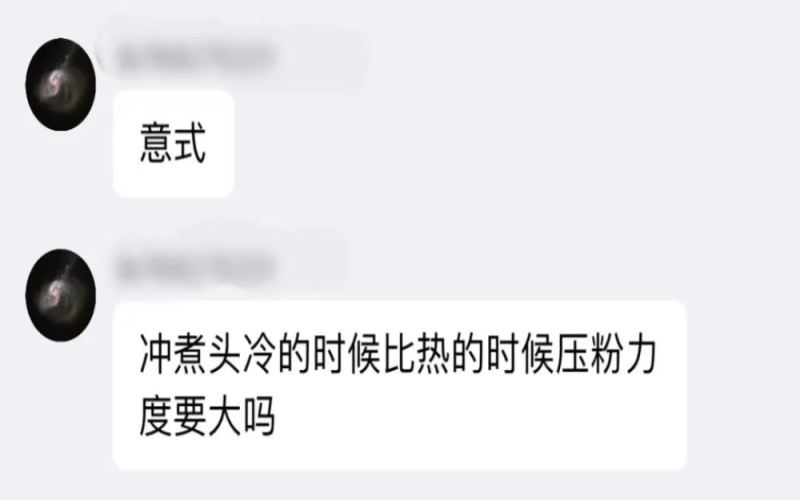
How Does Portafilter Temperature Affect Espresso Extraction? A Comparative Test of Brew Head Preheating vs. Chilled Portafilter
Espresso extraction involves numerous variables, and portafilter temperature is often overlooked. Front Street Coffee designed a comparative experiment to address the question of "whether the hot or cold brew head affects tamping force": keeping dose and yield fixed while only changing the portafilter temperature, recording time, concentration, flavor, and milk-coffee performance. The experiment used Front Street Sunflower Warm Sun Blend, and the results showed that although temperature did not significantly change the extraction yield, it clearly steered the flavor direction—a preheated portafilter made the full-bodied feel and winey notes more prominent, while a chilled portafilter amplified the fruity acidity and light texture. This article will present the complete experimental data and tasting conclusions, and answer whether tamping force needs to be adjusted with temperature, as well as how to decide on a portafilter preheating strategy based on the coffee bean roast level. [more…]
Interpreting Standard Espresso Extraction Parameters: A Detailed Guide to the Espresso-to-Milk Ratio in Latte
Although latte coffee is everywhere, actually making a delicious latte is not simple. Variables such as coffee bean flavor, milk quality, and extraction parameters all directly affect the final taste. This article will systematically sort out the extraction standards for espresso, analyzing the meaning and adjustment logic of extraction parameters one by one from six dimensions: dose, ratio, time, flow rate, pressure, and water temperature, while also exploring in depth the specific effects of factors such as coffee beans, grind size, and brew ratio on espresso flavor. On this basis, Front Street Coffee (FrontStreet Coffee) will also share the recommended matching ratio of espresso to milk in latte coffee, helping coffee lovers find a serving solution suitable for their own beans and milk. [more…]
Espresso Golden Cup Extraction | Are Italian coffee and espresso the same thing? What extraction parameters need to be adjusted to make Italian coffee?
For more specialty coffee knowledge, please follow our WeChat official account: Front Street Coffee (FrontStreet Coffee). When it comes to brewing coffee, many people like to ask how many grams of coffee grounds to use and what the coffee-to-water ratio should be. Ultimately, what people really care about is the extraction yield of the coffee. [more…]
Can espresso blend beans be used for pour-over and cold brew? An analysis of grind size and water temperature parameters for dark roast coffee
Pour-over and espresso differ significantly in the texture of the final cup due to their different extraction methods and filtering devices—pour-over is cleaner, while espresso is richer and more full-bodied. This leads many people to try using espresso beans for pour-over, or pour-over beans for espresso. In reality, the two are simply different extraction methods, and there is no absolute boundary between the beans themselves. However, espresso beans are usually roasted darker, so when used for pour-over, the parameters need to be adjusted to reduce extraction efficiency and avoid over-extraction. This article will specifically explain how to set key parameters such as grind size, water temperature, and coffee-to-water ratio when using espresso blend beans to make pour-over and cold brew coffee, and will recommend several Front Street Coffee beans that work well for espresso, pour-over, and cold brew alike. [more…]
A Complete Guide to Espresso Extraction: From Milliliter Standards to Nine Key Variables
Espresso tastes bitter? The problem likely lies in the extraction process. Front Street Coffee begins with the century-long evolution of espresso machines, sorts out the operating parameters of modern Italian coffee machines, and uses the Lelite V3 as an example to fully demonstrate the production process of an espresso. From dose and distribution to water pressure, water temperature, grind size, extraction yield, and crema condition, nine key variables are broken down one by one to help you understand the technical logic behind a qualified espresso and find the adjustment direction that suits your own flavor preferences. [more…]